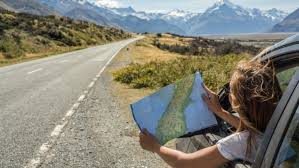
In a world obsessed with speed, checklists, and instant gratification, travel has often become another race — ticking off landmarks, snapping selfies, and rushing from one destination to another. But a new movement is quietly reshaping how seasoned travelers explore the world: Slow Adventure Travel. This evolving philosophy prioritizes connection — with nature, culture, and oneself — over the quantity of destinations visited.
Unlike traditional “slow travel,” which simply means staying longer in one place, slow adventure travel focuses on immersive, low-impact experiences that blend sustainability, local culture, and mindful exploration. It’s not about how far you go, but how deeply you experience the journey.
Understanding Slow Adventure Travel
Slow adventure travel is a philosophical shift in the way we approach exploration. It combines physical activity, cultural immersion, and environmental consciousness to create meaningful journeys rather than passive vacations.
This style of travel encourages experiences that unfold naturally — whether it’s spending a week kayaking through Arctic fjords, joining herders in the Mongolian steppe, or trekking through remote Andean villages with local guides.
The key idea? Adventure doesn’t have to be extreme. It can be quiet, intentional, and transformative.
Why Slow Adventure Travel Matters in 2025 and Beyond
As the world grows more connected — and paradoxically, more fragmented — travelers are yearning for authentic, regenerative experiences. Slow adventure is more than just a trend; it’s a response to overtourism, climate anxiety, and digital burnout.
1. Reclaiming Authenticity
Mass tourism has made many iconic destinations lose their essence. Slow adventure travelers seek authenticity — not the Instagram-perfect snapshot, but the raw, unfiltered moments that happen when you truly engage with a place.
2. Mental Wellness and Mindful Travel
Research increasingly links time in nature with reduced stress, improved focus, and emotional balance. Activities like hiking, paddling, or cycling, when done mindfully, act as natural meditative practices, grounding travelers in the present moment.
3. Sustainability and Regeneration
Unlike commercial adventure travel that can strain ecosystems, slow adventures prioritize minimal impact and local benefit. Many travelers now opt for carbon-light itineraries — choosing trains over flights, local guides over big tour operators, and community-owned lodges over chains.
Core Elements of a Slow Adventure Trip
To truly understand what defines this style of travel, let’s break down its core principles.
1. Immersion Over Itinerary
Forget packed schedules. A slow adventure trip is experience-driven, not agenda-driven. Whether it’s learning ancestral fishing techniques in Norway or camping under the Arctic Circle’s midnight sun, the focus is on connection, not completion.
2. Active Engagement
Physical engagement is key. This doesn’t mean adrenaline-pumping feats, but active participation — walking, cycling, canoeing, or horseback riding — all designed to interact with the environment in its most natural form.
3. Cultural Reciprocity
Slow adventure travelers respect and contribute to the communities they visit. It’s not about “consuming” culture but co-creating experiences. Staying with local hosts, learning regional crafts, or cooking traditional meals fosters a two-way cultural exchange.
4. Environmental Stewardship
From plastic-free packing to supporting rewilding projects, slow adventurers actively seek ways to reduce their footprint. Many even participate in conservation efforts — reforesting native species or joining wildlife monitoring programs.
Hidden Destinations Perfect for Slow Adventure Travelers
While slow adventure can happen anywhere, certain destinations are leading the way with initiatives and landscapes that support immersive, eco-conscious travel.
1. Svalbard, Norway
Far beyond the Arctic Circle, Svalbard offers surreal silence, glacial fjords, and a rare chance to experience nature’s raw power. Slow adventurers explore here by kayak, dogsled, or on foot, guided by local experts who blend safety with storytelling about polar ecosystems.
2. The Alentejo Region, Portugal
Away from the crowds of Lisbon and the Algarve, Alentejo is a paradise of rolling vineyards, cork forests, and coastal trails. Travelers can cycle between villages, stay in solar-powered farmhouses, and indulge in slow, regional cuisine.
3. Ladakh, India
High in the Himalayas, Ladakh blends rugged landscapes with deep spirituality. Trekking across its ancient routes allows you to connect with Buddhist monasteries, nomadic communities, and mountain ecology while supporting local homestays.
4. Patagonia, Chile & Argentina
Patagonia embodies wild, untamed beauty. Slow adventurers can spend weeks exploring glacial valleys, horseback riding with gauchos, or kayaking through mirror-like lakes. The region’s eco-lodges and conservation programs set a global example for responsible travel.
Transformative Benefits of Slow Adventure Travel
The impact of this travel philosophy goes beyond physical exploration. It reshapes how you perceive both the world and yourself.
1. A Deeper Connection to Nature
When you slow down, you notice the micro details — the whisper of wind across tundra, the scent of wild herbs after rain, or the rhythm of a paddle slicing water. These sensory connections awaken a primal awareness long lost in modern life.
2. Personal Growth and Resilience
Challenging, unhurried experiences foster self-discovery. Whether navigating remote trails or adapting to cultural differences, travelers build resilience, empathy, and gratitude.
3. Community Empowerment
By supporting local artisans, guides, and farmers, slow adventure travel becomes an act of empowerment. Instead of extracting value, it returns value to the communities that sustain it.
4. Redefining Luxury
In this context, luxury is no longer about five-star resorts. It’s about time, tranquility, and transformation. The new form of luxury is being fully present — something money can’t buy but experience can teach.
Planning a Slow Adventure Trip: Expert Tips
If you’re inspired to embark on a slow adventure, preparation and intention are key. Here’s how to do it right:
-
Choose destinations consciously: Seek regions promoting community-based tourism and ecological stewardship.
-
Limit your footprint: Pack light, minimize waste, and support local supply chains.
-
Stay longer: Spend enough time in one place to form connections beyond surface-level interactions.
-
Embrace digital detox: Disconnect from screens to reconnect with your surroundings.
-
Opt for human-powered travel: Hike, bike, or paddle whenever possible — you’ll experience the land more intimately.
-
Engage local expertise: Local guides add cultural context and ensure that your impact remains positive.
The Future of Adventure: From Speed to Stillness
As the global travel industry continues to evolve, slow adventure represents a necessary recalibration. It’s not about rejecting modern comfort but rebalancing it — combining sustainability, mindfulness, and adventure into a single, soulful approach to exploration.
The future traveler will not ask, “How many countries have I visited?” but “How deeply did I experience the ones I did?”
Slow adventure is not just a way to travel; it’s a way to live.
FAQs About Slow Adventure Travel
1. What makes slow adventure different from traditional adventure travel?
Traditional adventure travel focuses on adrenaline and activity, while slow adventure emphasizes connection, sustainability, and mindfulness within those activities.
2. Is slow adventure suitable for solo travelers?
Absolutely. Solo travelers often find slow adventures deeply introspective, as they offer time for reflection and personal growth away from digital noise.
3. How can I make my adventure travel more sustainable?
Opt for local accommodations, use renewable transport options, and participate in conservation or community-led initiatives.
4. Are slow adventures expensive?
Not necessarily. While some eco-lodges can be costly, community-based and locally run programs are often affordable and authentic.
5. What kind of physical fitness is needed?
It depends on your chosen activity. Many slow adventures are low to moderate intensity, focusing on endurance and connection rather than speed or competition.
6. How can I find authentic slow adventure operators?
Look for certified operators supporting local employment, sustainability programs, and responsible tourism charters. Avoid companies that over-commercialize “eco” branding.
7. What are some underrated destinations for slow adventures?
Consider Georgia’s Svaneti region, Canada’s Yukon Territory, or Japan’s Nakasendo Trail — all offer raw landscapes and authentic cultural encounters far from the tourist trail.