Introduction
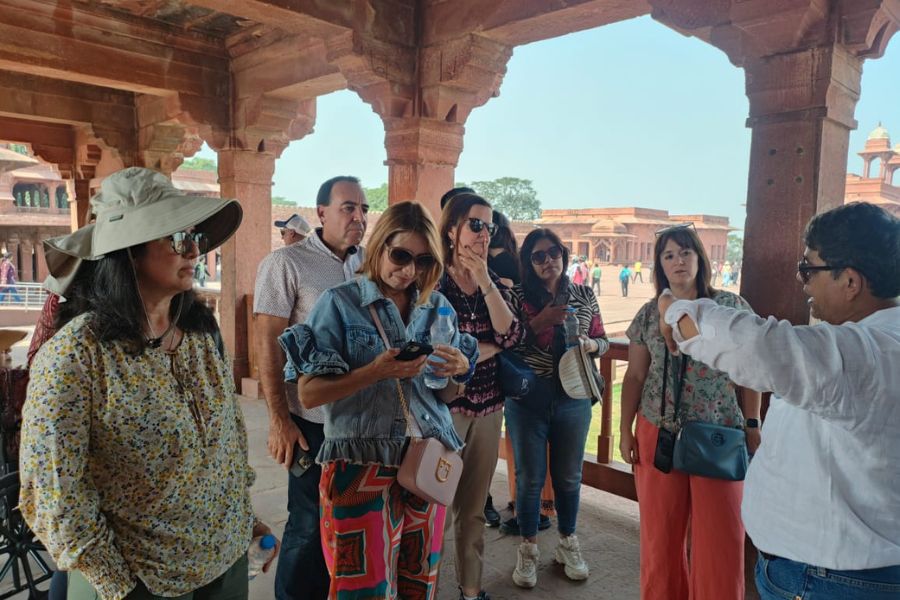
The role of a tour guide has evolved far beyond narrating facts or pointing out landmarks. In the modern era of experiential tourism, travelers crave more than sightseeing — they seek authentic, emotion-driven experiences that connect them deeply with the culture, people, and spirit of a destination. The contemporary tour guide is now a storyteller, cultural mediator, and emotional architect, curating journeys that transform perspectives rather than merely filling itineraries.
This article explores how experiential tour guiding is reshaping global travel, the psychology behind it, and how professional guides leverage storytelling, technology, and human connection to create unforgettable moments.
The Evolution from Information to Immersion
From Facts to Feelings
Traditional guiding focused heavily on facts — dates, architecture, and geography. However, today’s travelers arrive already informed through blogs, social media, and AI travel tools. What they seek now is emotional engagement. Modern guides shift focus from facts to feelings, turning ordinary tours into memorable stories that resonate on a personal level.
To achieve this, experiential guides employ several key strategies:
-
Multi-sensory engagement: Inviting travelers to touch, smell, and taste the culture, whether through local food, crafts, or music.
-
Participatory storytelling: Encouraging visitors to become part of the story — reenacting a historical scene, or contributing personal reflections.
-
Cultural empathy: Building bridges between travelers and locals through meaningful interactions rather than staged performances.
The outcome is not just a memory but a connection that lingers long after the trip ends.
The Psychology of Experiential Guiding
Tapping into Curiosity and Emotion
Every successful tour experience triggers three key psychological responses — curiosity, surprise, and empathy. A skilled guide understands how to spark and sustain these emotions to create lasting impact. Curiosity draws travelers in, surprise heightens engagement, and empathy ensures connection. By understanding how people learn and remember, guides can shape the emotional rhythm of their tours.
Creating Emotional Anchors
A concept widely used in experiential guiding is emotional anchoring — associating a location or story with a strong emotional cue. For example, telling the tale of a local hero at the exact spot of their bravery or sharing a personal childhood memory while walking through their village. This technique transforms passive observation into emotional memory, making the experience far more meaningful than reading a plaque or brochure.
The Power of Storytelling in Tour Guiding
Crafting Narratives that Resonate
Storytelling has become the most powerful tool in a tour guide’s repertoire. It’s not just about what is said, but how it’s told. Experiential guides are adopting cinematic storytelling techniques — pacing, suspense, character development, and emotional climax — to keep audiences immersed. They build arcs that connect the personal with the universal, helping travelers see how a destination’s history echoes their own human experiences.
Using Local Voices and Perspectives
The best modern guides act as cultural interpreters rather than performers. Instead of delivering a one-sided monologue, they weave in voices from the community — artisans, historians, and residents — to give authenticity and diversity to the narrative. This multi-voice storytelling fosters inclusivity and makes the experience richer, more authentic, and ethically grounded.
Technology as the Tour Guide’s Co-Pilot
Blending Digital and Human Experience
Technology is no longer a threat to traditional guiding — it’s an enhancement. Smart guides are now using augmented reality (AR), 360° storytelling, and AI-assisted translations to deepen the traveler’s understanding. Imagine standing in ancient Rome while your guide projects a reconstruction of the original Forum on your device. This fusion of digital immersion with human storytelling creates a multi-dimensional experience that captivates all generations.
Personalization through Data
Another aspect of modern guiding is data-driven personalization. Tour guides now analyze traveler preferences gathered through booking apps or pre-trip surveys to tailor experiences — from dietary choices in food tours to mobility-friendly routes in heritage walks. This level of customization makes travelers feel seen, understood, and cared for, amplifying satisfaction and emotional engagement.
Sustainability and Ethical Guiding
Guiding with Purpose
Modern travelers care deeply about responsible and sustainable tourism, and today’s tour guides are at the front line of that mission. Experiential guides integrate eco-conscious practices and community-focused initiatives into their itineraries. Instead of commercialized experiences, they prioritize local impact — supporting small businesses, indigenous craftspeople, and conservation projects.
Educating through Experience
A powerful guide subtly transforms a fun experience into an educational one — raising awareness about local ecology, social issues, and cultural preservation without preaching. For example, a wildlife guide may introduce travelers to conservation workers or explain how tourism funds habitat protection. This not only informs but inspires travelers to act responsibly beyond their journey.
The Rise of Emotional Intelligence in Tour Guiding
Empathy as a Professional Skill
The next generation of tour guides isn’t defined merely by their knowledge, but by their emotional intelligence (EQ). They know how to read a group’s energy, handle sensitive cultural topics tactfully, and make people feel safe and connected in unfamiliar environments. This empathy-driven approach creates trust — a key ingredient for memorable experiences.
Dealing with Group Dynamics
Whether leading a small private group or a large expedition, understanding group psychology is crucial. Guides learn to identify introverts, extroverts, and different learning styles, adapting their delivery accordingly. This human adaptability differentiates a professional guide from a script-reader, turning a routine walk into a shared emotional journey.
The Future of Experiential Tour Guiding
From Guiding to Co-Creation
The future of guiding is collaborative. Travelers no longer want to be audiences; they want to be co-creators of the experience. The best guides facilitate this by allowing flexibility, inviting travelers to share stories, and shaping the itinerary dynamically. This participatory model transforms tourism into a two-way exchange of culture rather than a transaction.
Embracing Hybrid Experiences
Hybrid experiences — combining physical tours with virtual extensions — are becoming increasingly popular. After an in-person tour, travelers might receive a digital follow-up experience, such as an interactive map or local recipe series, to continue their engagement from home. This approach strengthens brand loyalty and maintains the emotional bond long after the trip ends.
Conclusion
The modern tour guide has transcended the limits of geography and information. Today’s professionals are curators of emotion, facilitators of culture, and advocates of sustainability. By blending storytelling, psychology, technology, and empathy, they’re turning each journey into a living, breathing story — one that travelers carry within them long after the map is folded away.
Experiential tour guiding is not just the future of travel — it’s the art of transforming destinations into personal revelations.
Frequently Asked Questions (FAQs)
1. What makes experiential tour guiding different from traditional guiding?
Experiential guiding focuses on emotional engagement, storytelling, and cultural participation rather than simply sharing facts or historical data.
2. How can tour guides improve their storytelling skills?
They can study narrative techniques, learn from local storytellers, and practice connecting historical events with human emotions and contemporary relevance.
3. What role does technology play in modern tour guiding?
Technology enhances immersion through tools like AR, translation apps, and personalized itinerary data, making experiences more interactive and inclusive.
4. How does emotional intelligence benefit tour guides?
Emotional intelligence helps guides manage diverse group dynamics, respond empathetically to travelers, and create a comfortable and engaging environment.
5. Why is sustainability important for tour guides today?
Guides influence traveler behavior directly; promoting eco-friendly practices and supporting local communities ensures long-term benefits for destinations.
6. Can experiential guiding be used for luxury or corporate travel?
Absolutely. Experiential design adds depth to high-end or professional tours, turning them into transformative experiences rather than standard events.
7. What are the most in-demand skills for the future of tour guiding?
Cultural fluency, adaptability, digital literacy, storytelling mastery, and a strong sense of empathy are emerging as the top skills for modern tour guides.