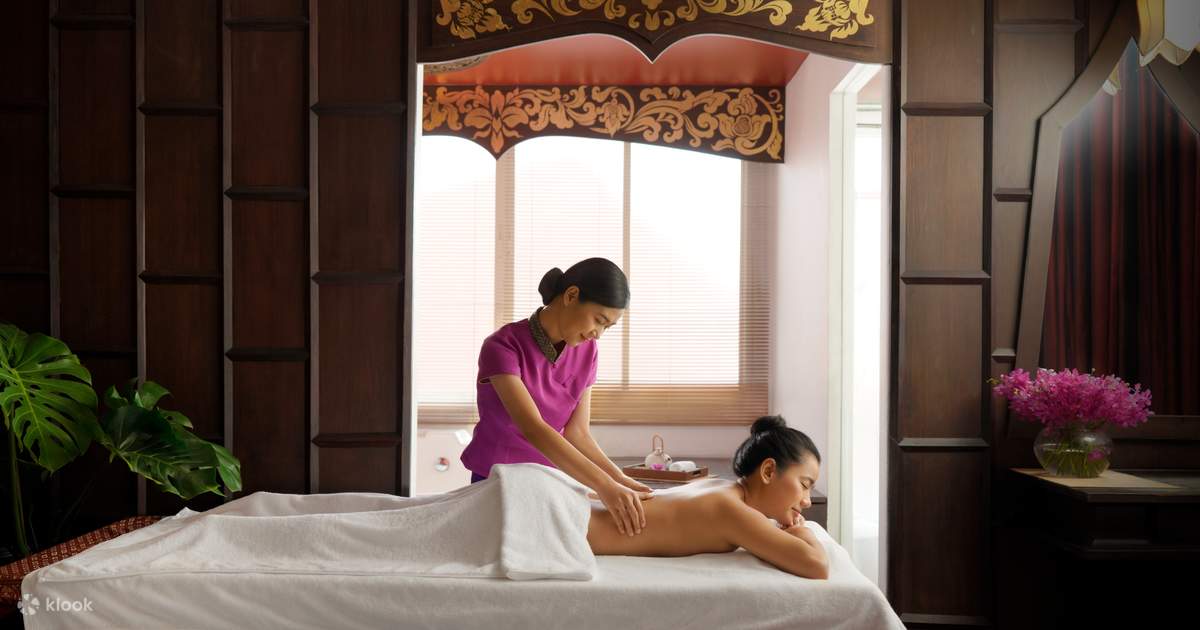
Arriving in a coastal town often feels different from stepping into a dense city or rural village. The pace softens, light reflects differently, and outdoor movement becomes part of daily rhythm. These environmental shifts influence how people approach rest, recovery, and personal care. Travellers exploring a massage spa in Pattaya often notice that wellness culture in resort areas carries its own character shaped by climate, visitor flow, and lifestyle patterns.
Heat encourages slower pacing. People move more deliberately, seek shade naturally, and prioritise hydration and rest. Outdoor exposure increases physical activity through walking, swimming, and sightseeing, creating demand for muscular recovery and relaxation without high intensity.
Seasonality also influences behaviour. Visitor volume fluctuates, shaping service rhythms and availability. Wellness becomes integrated into daily flow rather than reserved for rare occasions.
Climate Shapes Recovery Needs
Warm temperatures increase circulation but also accelerate fatigue. Muscles dehydrate more easily, and prolonged sun exposure taxes the nervous system. Gentle recovery practices support comfort and prevent cumulative strain.
Cooling environments, shaded spaces, and calming treatments balance external heat and sensory load.
Natural ventilation and open design reinforce relaxation.
Tourism Creates Flexible Wellness Patterns
Resort towns host diverse visitor profiles. Short-stay tourists seek quick recovery windows, while longer-term visitors integrate regular care into routine.
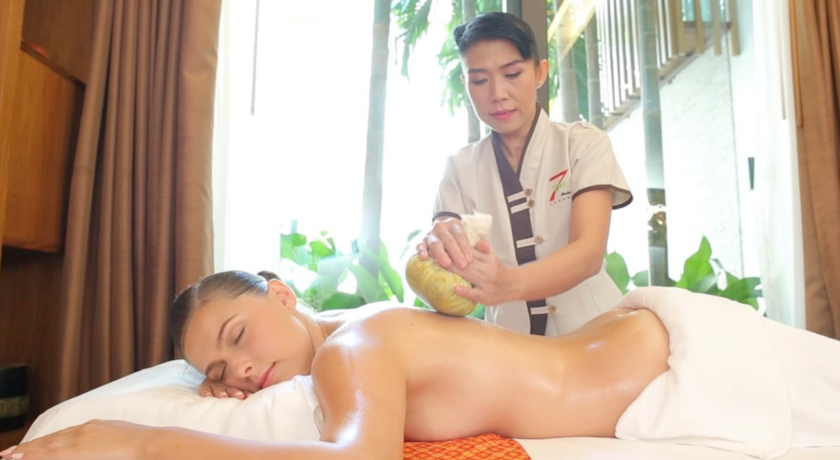
This diversity encourages adaptable service models that accommodate varying schedules and preferences.
Wellness becomes approachable rather than formal.
Outdoor Lifestyle Influences Body Awareness
Beach walks, swimming, and uneven terrain activate stabilising muscles differently than urban walking. Postural variation increases awareness of flexibility and balance.
Body maintenance becomes part of lifestyle rather than reactive treatment. Movement diversity supports resilience.
Social Atmosphere Encourages Informal Engagement
Relaxed dress codes, open spaces, and casual interaction reduce formality. People engage more easily in conversations and shared experiences.
This openness extends into wellness environments, reducing intimidation for first-time participants.
Rhythm Aligns With Natural Cycles
Sunrise and sunset influence daily scheduling more strongly than clocks. Early mornings invite activity, midday encourages rest, evenings reopen social engagement.
Wellness integrates into these natural cycles rather than rigid timetables.
Resort wellness cultures emerge from environmental rhythm rather than design alone. When climate, movement, and social flow align naturally, recovery becomes embedded in everyday life rather than treated as a separate activity.