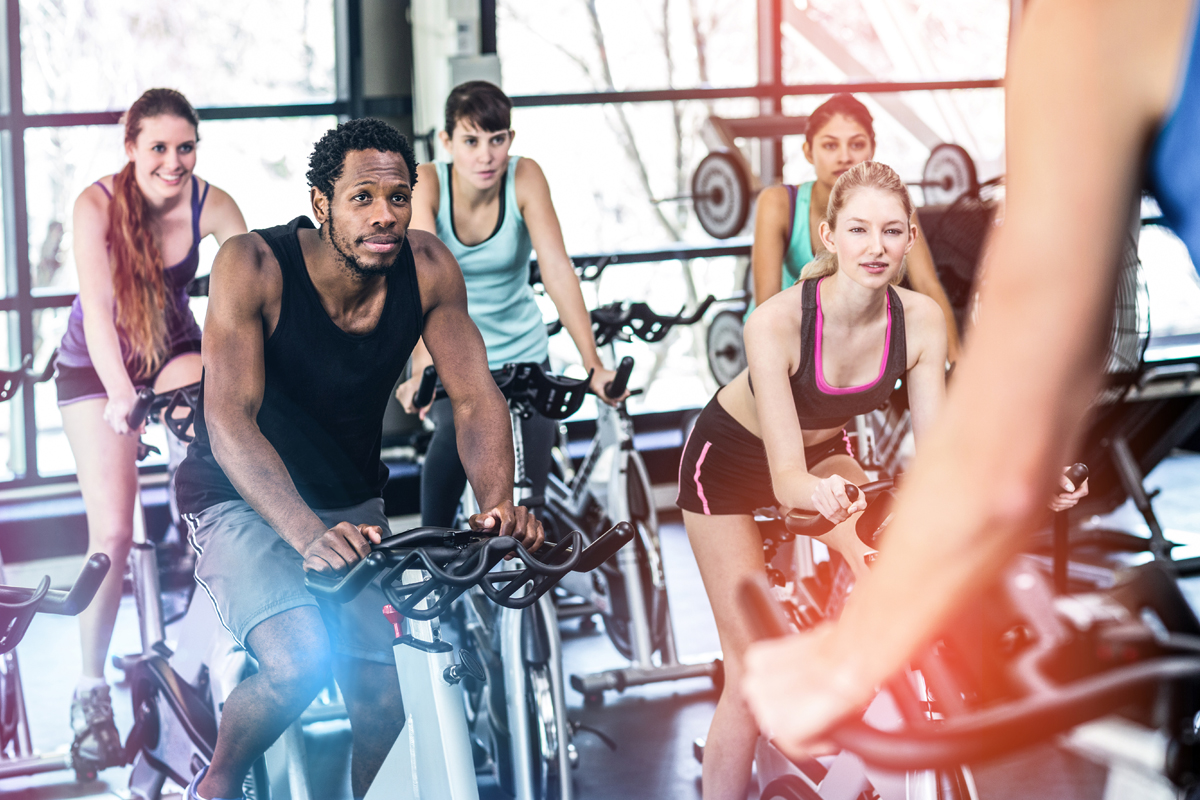
Urban living in Singapore is defined by density, efficiency, and constant motion. As cities grow vertically and lifestyles become increasingly time constrained, traditional fitness models that rely on large spaces, heavy equipment, or outdoor conditions become harder to sustain. This shift has prompted a rethink of how exercise fits into modern city life. A well-structured indoor spin class represents a fitness model that aligns closely with the realities of urban living while supporting long-term health, environmental responsibility, and lifestyle consistency.
Indoor spin training is not just an exercise trend. It is an adaptive solution that addresses space limitations, sustainability concerns, and the evolving needs of urban populations.
The Urban Fitness Challenge in High-Density Cities
Cities like Singapore face unique constraints when it comes to fitness infrastructure. Limited land, high rental costs, and dense populations require exercise models that maximise efficiency without compromising effectiveness.
Common urban fitness challenges include:
-
Limited space for large-scale gyms
-
High energy consumption from traditional equipment
-
Weather dependence for outdoor activities
-
Inconsistent workout adherence due to commuting demands
Indoor spin classes address these issues through compact design, predictable scheduling, and minimal environmental dependency.
Space Efficiency and Vertical Fitness Design
One of the defining advantages of indoor spin training is its efficient use of space. A spin studio can accommodate a large number of participants within a relatively small footprint.
Space efficiency benefits include:
-
Compact bike layouts
-
Minimal equipment storage requirements
-
Flexible room configurations
-
High participant turnover per day
This allows fitness facilities to operate sustainably in urban environments where space is a premium resource.
Energy Efficiency Compared to Traditional Cardio Equipment
Traditional cardio machines often require significant power consumption and maintenance. Indoor spin bikes are mechanically simple and energy efficient.
Energy-related advantages include:
-
Lower electricity usage
-
Reduced reliance on motorised components
-
Longer equipment lifespan
-
Lower maintenance demands
Some modern spin setups even integrate energy-generating systems, reinforcing the sustainability potential of this training model.
Reduced Environmental Dependency
Outdoor fitness activities rely heavily on weather conditions, air quality, and daylight availability. In dense urban centres, these factors can limit exercise consistency.
Indoor spin classes offer:
-
Climate-controlled environments
-
Independence from outdoor pollution levels
-
Reliable year-round accessibility
-
Consistent training quality regardless of external conditions
This reliability supports long-term fitness habits, which is essential for sustainable health outcomes.
Scalability for Growing Urban Populations
A sustainable fitness model must scale efficiently as populations grow. Indoor spin training meets this requirement through modular class structures.
Scalability features include:
-
Adjustable class sizes
-
Flexible scheduling throughout the day
-
Easy replication across multiple locations
-
Standardised training frameworks
This makes spin training suitable for widespread adoption without excessive infrastructure expansion.
Encouraging Consistent Participation in Urban Lifestyles
Sustainability in fitness is not only about resources. It is also about behavioural consistency. Many urban residents struggle to maintain exercise routines due to time pressure and fatigue.
Indoor spin classes support consistency by:
-
Offering fixed-duration sessions
-
Eliminating travel uncertainty
-
Reducing preparation time
-
Providing structured guidance
When fitness becomes predictable and efficient, long-term adherence improves significantly.
Low-Impact Training Reduces Healthcare Burden
Urban populations are ageing, and joint-related issues are becoming more common. High-impact fitness models can increase injury rates, placing strain on healthcare systems.
Indoor spin training contributes to sustainability by:
-
Minimising joint stress
-
Reducing exercise-related injuries
-
Supporting long-term mobility
-
Allowing continued participation across age groups
Lower injury rates translate into fewer medical interventions and reduced healthcare costs over time.
Supporting Active Transport and Lifestyle Integration
Indoor spin training complements active transport habits such as cycling to work or using public transport.
Synergistic benefits include:
-
Improved cycling efficiency for commuters
-
Enhanced cardiovascular resilience
-
Reduced reliance on private vehicles
-
Reinforcement of active living culture
This integration supports broader urban sustainability goals related to mobility and emissions reduction.
Mental Sustainability in High-Stress Urban Environments
Mental health is a critical component of sustainable urban living. Chronic stress, burnout, and mental fatigue are common among city dwellers.
Indoor spin classes support mental sustainability by:
-
Providing structured stress release
-
Encouraging rhythmic movement and breathing
-
Creating mental separation from work environments
-
Supporting emotional regulation through physical exertion
A mentally resilient population contributes to social and economic sustainability.
Community Building Without Urban Congestion
Urban sustainability also depends on social cohesion. However, large gatherings can strain infrastructure and increase congestion.
Indoor spin classes foster community by:
-
Hosting contained group sessions
-
Encouraging shared experiences without crowding
-
Supporting accountability without excessive social demands
-
Creating micro-communities within fitness spaces
This balance allows social connection without adding pressure to urban systems.
Adaptability to Technological Integration
Sustainable fitness models must adapt to evolving technology. Indoor spin training integrates easily with performance tracking and digital systems.
Technological adaptability includes:
-
Heart rate and cadence monitoring
-
Data-driven performance feedback
-
Personalised intensity scaling
-
Long-term progress tracking
These features enhance efficiency and reduce wasted effort, aligning with sustainability principles.
Economic Sustainability for Fitness Providers
From a business perspective, sustainability includes operational viability. Indoor spin classes offer predictable revenue models and manageable overheads.
Economic advantages include:
-
High utilisation rates per square metre
-
Lower equipment maintenance costs
-
Efficient instructor-to-participant ratios
-
Scalable programming structures
This makes spin studios more resilient in competitive urban markets.
Urban Health Outcomes and Policy Alignment
Public health strategies increasingly emphasise preventive care and active lifestyles. Indoor spin training aligns with these objectives.
Policy-relevant benefits include:
-
Cardiovascular disease risk reduction
-
Improved metabolic health
-
Enhanced population fitness levels
-
Reduced long-term healthcare expenditure
Fitness models that support preventive health contribute positively to urban planning goals.
Role of Professional Fitness Environments
The effectiveness of indoor spin training as a sustainable model depends on professional delivery. Facilities such as TFX Singapore focus on structured programming, efficient space usage, and high-quality instruction that align with urban sustainability needs.
Professional environments ensure that fitness remains safe, effective, and accessible over the long term.
FAQs About Indoor Spin as an Urban Fitness Model
Why is indoor spin considered more sustainable than traditional gyms?
Indoor spin uses less space, consumes less energy, and supports higher participant turnover, making it more efficient in urban settings.
Can indoor spin support long-term urban health goals?
Yes. Its low-impact nature and cardiovascular benefits support preventive health and reduce lifestyle-related disease risk.
Is indoor spin suitable for densely populated cities?
Indoor spin is particularly well suited for dense cities due to its compact space requirements and scalable structure.
Does indoor spin reduce environmental impact?
Lower energy consumption and reduced reliance on outdoor conditions contribute to a smaller environmental footprint.
How does indoor spin encourage consistent exercise habits?
Fixed schedules, efficient sessions, and guided workouts reduce barriers to regular participation.
Can indoor spin adapt to future urban fitness needs?
Its modular design and compatibility with digital tools make it adaptable to evolving urban lifestyles.
Is indoor spin accessible to different age groups?
Yes. Adjustable resistance and low-impact mechanics make it suitable across a wide age range.
Does indoor spin support mental wellbeing in urban environments?
Structured physical exertion and stress relief contribute to better mental health and emotional balance.
Indoor spin classes represent more than a workout option. They embody a sustainable urban fitness model that aligns with space efficiency, environmental responsibility, behavioural consistency, and long-term health outcomes. As cities continue to evolve, fitness solutions that integrate seamlessly into urban life will play a critical role in shaping healthier and more resilient communities.