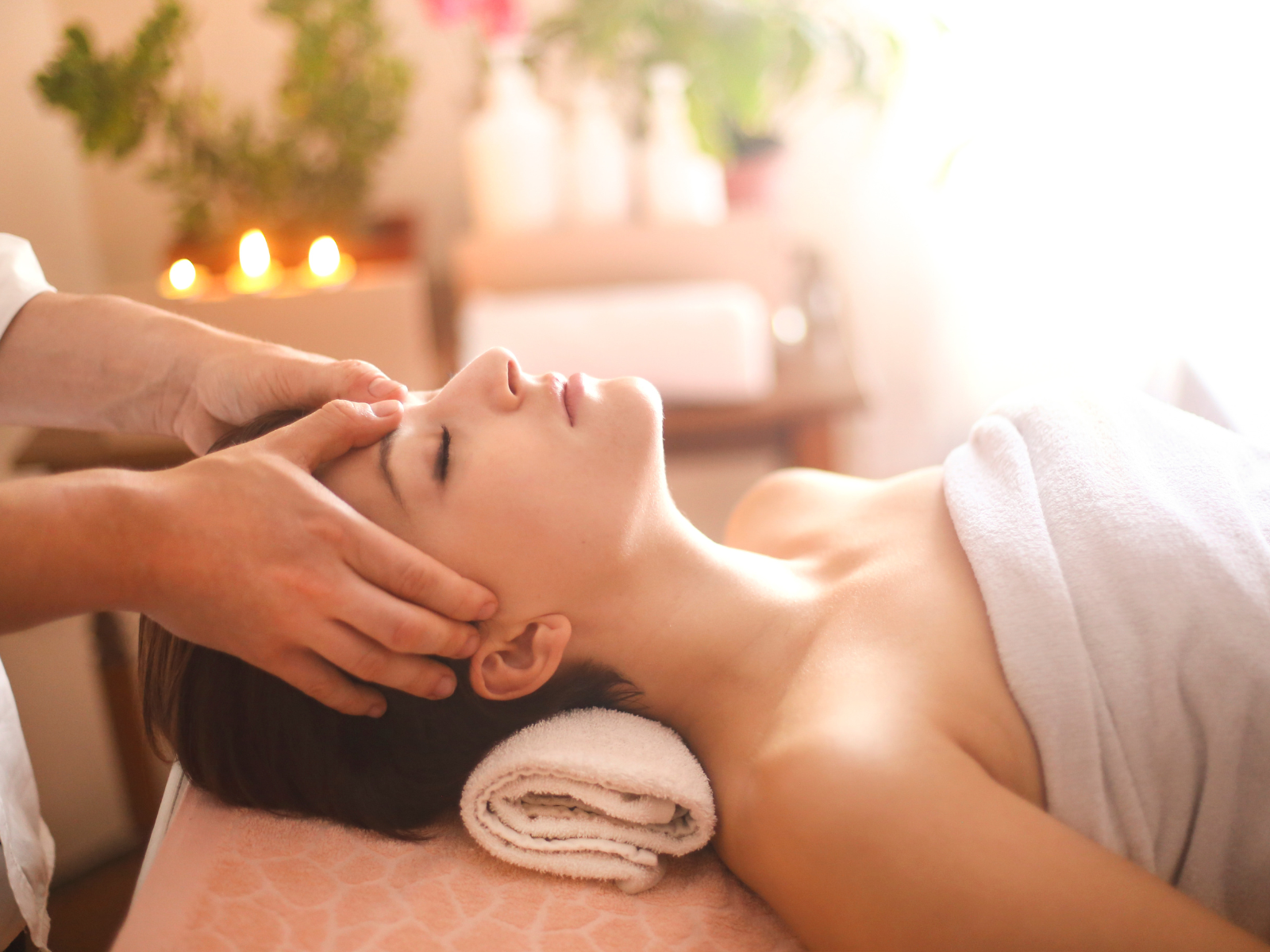
Some massage treatments are designed mainly for quiet relaxation, while others use more movement, pressure and stretching. Travellers booking Thai massage in Pattaya should understand the style before they arrive, especially if they are used to oil-based treatments or gentler spa experiences.
It Can Feel Different From A Relaxation Massage
Traditional Thai massage is often more active than people expect. It may involve pressure through the hands, thumbs, elbows or forearms, along with assisted stretching and guided movement. Instead of simply lying still while the therapist works with oil, the body may be moved into different positions during the session.
This can make the treatment useful for stiffness from travel, walking or long periods of sitting. The stretching element may help the body feel more open, while the pressure can address areas that feel tight or tired. For people who have spent several days exploring, it can be a practical way to reset.
However, active does not mean aggressive. A good treatment should feel controlled and purposeful. If the pressure is too strong or a stretch feels uncomfortable, it is completely reasonable to ask for an adjustment.
Preparation Makes The Session More Comfortable
It is best not to arrive immediately after a heavy meal or when you are already rushing. Because Thai massage can involve movement, the body usually responds better when you feel calm, comfortable and hydrated. Giving yourself a little time before the appointment can make the session easier to enjoy.
Thai massage is often performed clothed, usually with loose clothing provided or suitable garments worn during the treatment. This allows the therapist to work through stretches and pressure points without using oil in the same way as other massage styles.
Before the treatment begins, mention injuries, joint problems, back pain, pregnancy, recent surgery or any areas you would prefer to avoid. This helps the therapist adapt the treatment so it supports your body rather than pushing it too far.
Pressure Should Be Managed, Not Endured
Some travellers assume that a strong massage must be better, but that is not always true. The most useful pressure is the level that helps the body release without causing pain or making you tense up. If you find yourself holding your breath, the pressure may be too much.
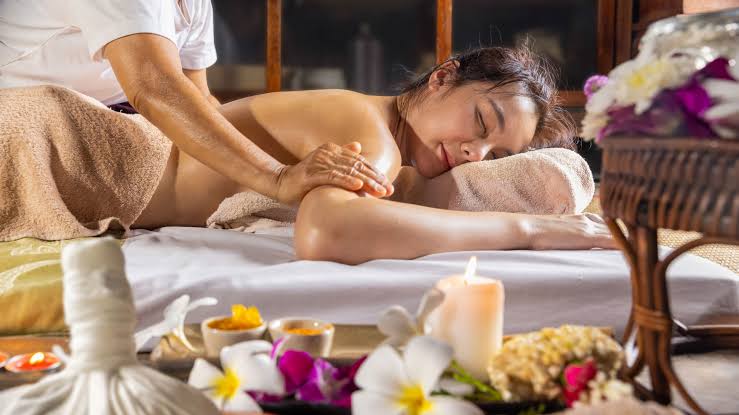
Simple feedback is enough. Asking for softer pressure, slower movement or less stretching can make the treatment much more effective. A massage should not feel like a challenge to get through.
This is especially important in a warm destination where the body may already be tired from heat, walking, swimming or nightlife. What feels manageable at the start of a trip may feel different after several active days. Listening to the body is part of getting the best result.
Allow Time To Recover Afterwards
After Thai massage, you may feel looser, lighter or pleasantly tired. Drinking water afterwards is sensible, and it is worth avoiding a very demanding activity immediately afterwards if possible.
A slower evening can help the benefits last. The treatment then becomes part of a better travel rhythm rather than a quick stop before returning to a crowded schedule.
For travellers who want more than a gentle spa experience, Thai massage can be a memorable and useful choice. With the right expectations, clear communication and sensible timing, it can help the body recover from travel while giving the trip a more grounded sense of balance.