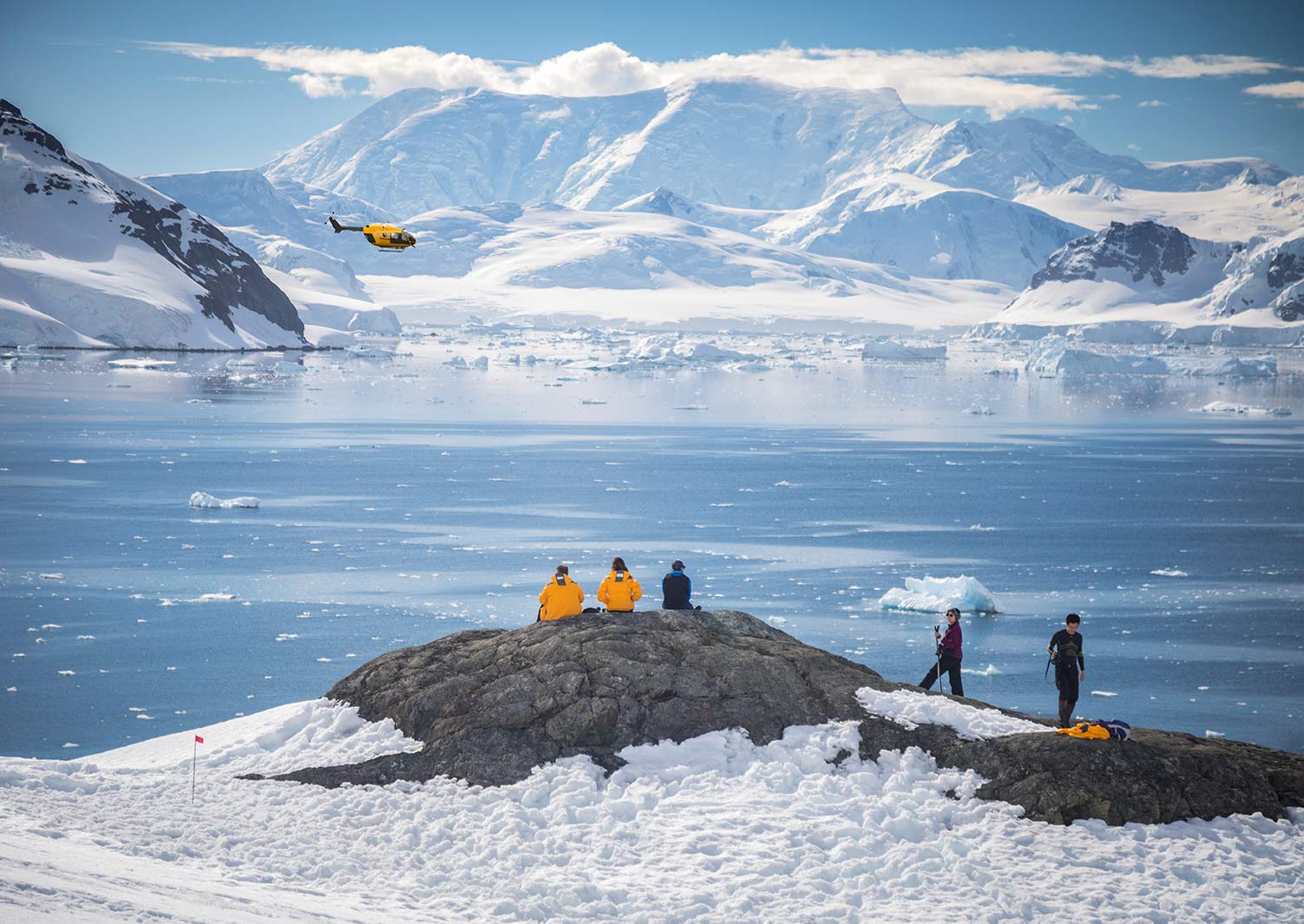
The stark, white expanse of Antarctica evokes images of untouched wilderness, towering icebergs, and the raw power of nature. But beyond the breathtaking scenery lies a vibrant scientific frontier, a place where researchers brave extreme conditions to unlock the planet’s most profound secrets. What does it truly take to mount a scientific antarctica expedition? It’s a complex ballet of meticulous planning, cutting-edge technology, and unwavering human resilience. This article pulls back the curtain, offering a glimpse into the incredible efforts behind these vital scientific endeavors.
The Genesis of Discovery: From Concept to Convoy
Every successful scientific antarctica expedition begins long before the first boot touches the ice. It starts with a compelling research question – perhaps understanding climate change impacts, studying unique Antarctic ecosystems, or unearthing geological history. Scientists spend years developing proposals, securing funding, and collaborating with international partners. This initial phase involves rigorous peer review, ensuring the scientific merit and feasibility of the proposed work.
Once funding is secured, the logistical nightmare (or rather, marvel) begins. This involves procuring specialized equipment – from ice-penetrating radar and deep-sea remotely operated vehicles (ROVs) to sophisticated laboratory instruments that can function in sub-zero temperatures. Every single item, down to spare parts and personal hygiene products, must be carefully inventoried and packed, often months in advance. Consider the sheer volume: a typical large-scale expedition might require hundreds of tons of cargo, all needing to be transported across thousands of miles of ocean.
Braving the Elements: Life and Work on the Ice
Life during an antarctica expedition is a unique experience. Researchers often live and work on ice-strengthened research vessels or in purpose-built research stations. These environments, while equipped with modern amenities, are far from luxurious. Space is at a premium, and the rhythm of life is dictated by scientific objectives and the unpredictable Antarctic weather.
A typical day might involve early morning briefings, followed by deployment of equipment, data collection in the field, and evening lab work. Scientists might spend hours on the ice, battling winds that can reach hurricane force and temperatures plummeting well below freezing. Specialized cold-weather gear is essential – multiple layers, insulated boots, and face protection are paramount to prevent frostbite and hypothermia. Safety protocols are incredibly stringent, with regular training in crevasse rescue, wilderness first aid, and survival techniques.
Data collection itself presents unique challenges. For example, deploying oceanographic sensors through thick sea ice requires specialized drills and careful coordination. Studying Antarctic wildlife, such as penguins or seals, often involves long hours of observation in remote locations, minimizing disturbance to the animals. Geologists might spend days mapping rock formations, while glaciologists drill deep into ice sheets to extract ancient ice cores, each layer a frozen archive of Earth’s past climate.
The Unseen Heroes: Logistics and Support
While the scientists are at the forefront of discovery, a vast network of support staff makes their work possible. Engineers maintain complex machinery, from ship engines to scientific instruments. Cooks prepare nutritious meals that fuel demanding days. Medics are on standby for any health emergencies, and communications specialists ensure vital links to the outside world. Pilots and vehicle operators navigate treacherous terrain and unpredictable weather, delivering personnel and equipment safely.
One often-overlooked aspect is waste management. Antarctica is a pristine continent, and strict international protocols are in place to prevent pollution. All waste generated during an expedition – from scientific samples to human waste – must be carefully sorted, stored, and eventually transported off the continent for proper disposal. This commitment to environmental stewardship is a cornerstone of all Antarctic operations.
Insights from the Frozen Frontier
The data gathered during these expeditions provides invaluable insights into global processes. For instance, ice core analysis has revealed that current atmospheric CO2 levels are higher than at any point in the last 800,000 years. Studies of Antarctic ice melt contribute directly to our understanding of global sea-level rise projections. Research into the unique biochemistry of Antarctic organisms offers potential breakthroughs in medicine and biotechnology.
For individuals considering a career in polar science or simply fascinated by this extreme environment, understanding the rigorous nature of an antarctica expedition is crucial. It requires not just intellectual curiosity but also physical stamina, mental resilience, and a profound respect for the natural world. The challenges are immense, but the rewards – contributing to humanity’s collective knowledge and witnessing one of Earth’s last true wildernesses – are immeasurable.
Conclusion: A Legacy of Discovery
Scientific expeditions to Antarctica are more than just journeys to the bottom of the world; they are journeys to the forefront of human understanding. They represent a global commitment to unraveling the mysteries of our planet and confronting the pressing environmental challenges of our time. From the initial spark of an idea to the meticulous execution on the ice, every step is a testament to human ingenuity and perseverance. The data and discoveries brought back from these frozen frontiers continue to shape our world, leaving a lasting legacy of knowledge for generations to come.
Author Bio: The author is a seasoned science communicator with a passion for environmental conservation and extreme environments. With a background in geology and a keen interest in polar research, they strive to make complex scientific topics accessible and engaging for a broad audience. Their work often explores the intersection of human endeavor and the natural world, highlighting the importance of scientific discovery.