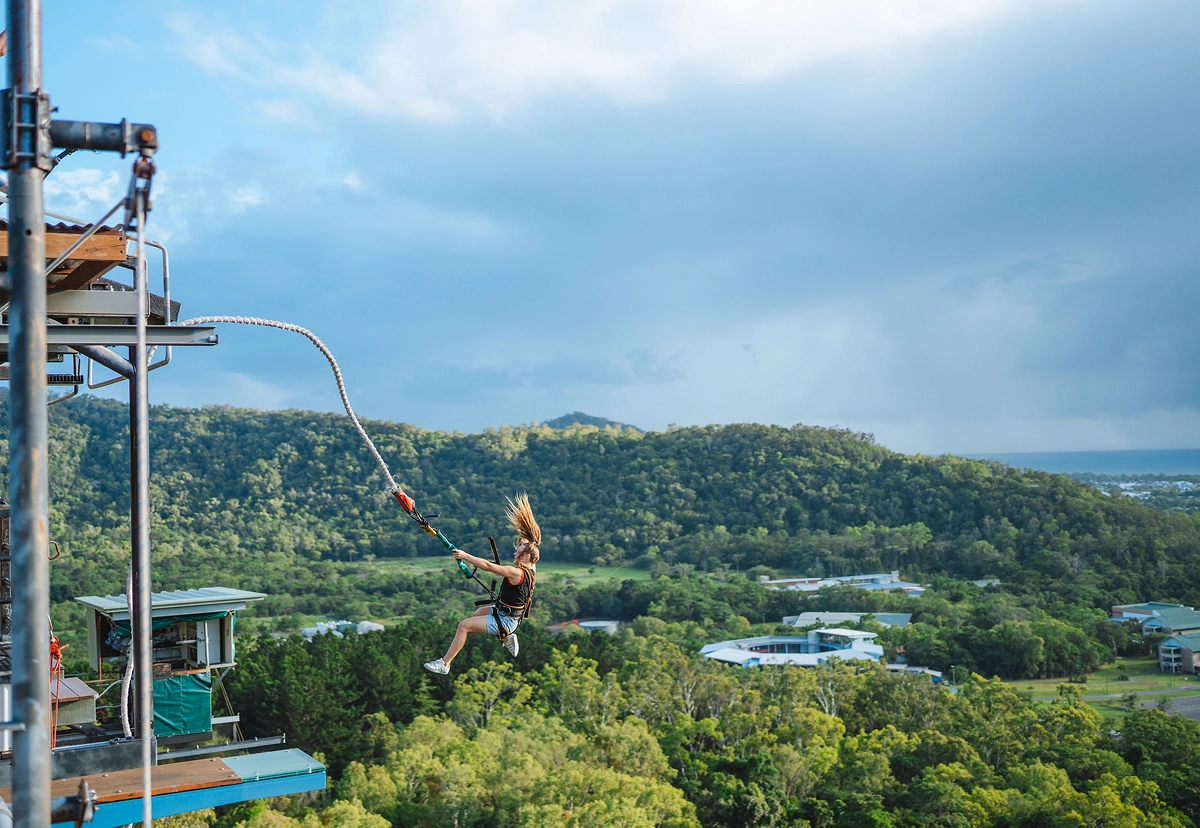
Introduction: Redefining Adventure Beyond Limits
Adventure today is about more than thrill-seeking—it’s about testing physical boundaries, mental endurance, and one’s connection to the wild. Gone are the days when adventure meant a simple hike or a kayak trip. The new era of exploration is raw, untamed, and deeply personal. From descending into volcanic craters to swimming between continents, extreme adventurers are venturing into places that challenge not only the body but also the spirit.
1. Volcano Boarding in Nicaragua: Surfing the Fire Mountain
Few experiences can match the madness of volcano boarding down Cerro Negro, Nicaragua’s youngest and most active volcano. At over 700 meters high, this fiery mountain attracts adrenaline junkies who slide down its steep slope of volcanic ash at speeds reaching 80 km/h. The slope is composed of loose gravel and lava rock, demanding precision and balance. Boarders use a specially designed wooden or metal board layered with Formica to minimize friction. It’s a high-risk, high-reward pursuit—protective gear is non-negotiable, and one wrong move can mean scrapes or burns. Yet, as you fly down a mountain that could erupt again at any moment, the sheer rush is incomparable.
2. Ice Diving in Antarctica: Beneath the Frozen Mirror
When most people think of diving, they picture coral reefs and warm waters. Ice diving in Antarctica flips that narrative completely. Beneath the frozen crust lies an otherworldly world—ice cathedrals, glowing blue corridors, and marine life found nowhere else on Earth. Divers plunge into sub-zero waters through a cut in the ice, tethered to safety lines as they navigate crystal formations and watch seals glide silently overhead. This is a test of mental control as much as physical endurance. Every breath is a reminder of fragility—of being a small speck under the planet’s most formidable environment. Only experienced divers attempt this, as training in dry-suit diving and cold-water survival is mandatory.
3. The Great Human-Powered Traverse: Crossing Continents Without Fuel
In an age dominated by engines, one of the most ambitious adventures is crossing continents purely by human power—on foot, by bicycle, kayak, or skis. Adventurers like Erden Eruç and Sarah Outen have circumnavigated the globe using only their own strength, rowing across oceans and cycling through deserts. The beauty of this challenge lies in its simplicity: the Earth becomes your playground, but every kilometer demands sweat, patience, and resilience. Whether it’s biking across the Pamir Mountains or kayaking through the Gulf of Alaska, the reward is the sense of self-sufficiency and deep environmental connection that only comes when you power your journey from within.
4. Wingsuit Flying in the Swiss Alps: The Art of Human Flight
Wingsuit flying is often described as the closest humans can get to true flight. Jumping off cliffs in the Swiss Alps, athletes in aerodynamic suits glide through the air at over 200 km/h, skimming rock faces with terrifying proximity. This is not a sport for the reckless—training can take years, starting with hundreds of skydives before even attempting a wingsuit jump. The sport demands laser focus, impeccable control, and an intimate understanding of air currents. For those who’ve mastered it, the feeling of carving through the sky—surrounded by snow-capped peaks—is euphoric and humbling at once.
5. Lava Trekking in the Dallol Depression, Ethiopia
Deep in Ethiopia’s Afar region lies one of the most alien landscapes on Earth—the Dallol Depression. With sulfur pools, acid ponds, and molten crust, this is the hottest inhabited place on the planet. Adventurers trek through a terrain that feels otherworldly, where geothermal vents spew toxic gases and the ground shifts underfoot. The region’s highlight is Erta Ale, an active lava lake that glows with red fury under the desert sky. The trek is punishing: scorching temperatures, volatile conditions, and limited supplies make it one of the most extreme expeditions on Earth. Yet standing before a churning pit of molten rock, one feels both the terror and beauty of nature’s raw power.
6. Cave Diving in Mexico’s Cenotes: Journey to the Earth’s Veins
Beneath the lush jungles of the Yucatán Peninsula lies a labyrinth of underwater caves called cenotes—some connected for hundreds of kilometers. Cave diving here is not just about exploration; it’s about confronting darkness and isolation in their purest form. Divers navigate narrow passages filled with crystal-clear water, where even a single misplaced fin kick can stir up silt and blind visibility. These ancient caves hold secrets of Mayan rituals and geological history. Only elite divers attempt these descents, guided by lines and strict protocols. The silence is absolute, and every movement feels sacred—as though entering the Earth’s circulatory system itself.
7. Paragliding Over the Karakoram: Dancing with the Giants
High above Pakistan’s Karakoram Range, paragliders soar past some of the tallest mountains on Earth, including K2 and Broad Peak. The thin air, unpredictable weather, and sheer vertical terrain make this one of the most dangerous paragliding destinations in existence. Pilots must understand not just flight mechanics but also mountain meteorology—thermal updrafts, wind shear, and ice formation. The reward is staggering: flying alongside 8,000-meter peaks, feeling the pulse of the Himalayas beneath your wings. It’s not just about flight—it’s about harmony with an environment that can both nurture and annihilate.
8. Desert Survival Expedition in the Empty Quarter
The Rub’ al Khali, or Empty Quarter, stretching across Saudi Arabia, Oman, and the UAE, is the largest continuous sand desert in the world. Crossing it is a feat few have achieved. The temperatures can soar past 50°C, and water sources are virtually nonexistent. Modern explorers often attempt this on foot or by camel, carrying minimal supplies and relying on ancient navigation methods. The challenge isn’t just physical—it’s psychological. Endless dunes create disorientation, and solitude tests one’s mental limits. But the desert also rewards endurance with surreal beauty: golden waves of sand shifting with every sunrise, revealing a living, breathing sea of silence.
9. Ice Climbing the Frozen Waterfalls of Norway
Norway’s rugged fjords transform into a frozen paradise during winter, creating towering ice waterfalls that attract elite climbers from around the world. Scaling vertical sheets of ice requires not only strength and balance but also constant awareness—ice is unpredictable, and one misplaced axe can spell disaster. Climbers use crampons, axes, and ropes to ascend formations like Rjukan’s famed routes, where frozen cascades hang hundreds of meters high. Every move is a meditation between precision and instinct. It’s less about conquering nature and more about dancing with it—delicately, purposefully, beautifully.
10. The Philosophy of Extreme Adventure: Why We Chase the Edge
For those who pursue extreme adventures, the motivation isn’t simply thrill—it’s transcendence. These journeys strip away comfort, ego, and illusion, leaving only the raw essence of existence. Facing real danger rewires how one perceives life; it teaches humility, focus, and appreciation for the moment. Whether it’s the stillness before a cliff jump or the calm in an ice cave, these moments bring profound clarity. Adventure becomes not just about the destination, but about the transformation that occurs within.
FAQs About Extreme Adventure Travel
1. Is extreme adventure only for professional athletes?
Not necessarily. Many experiences offer progressive training routes. However, most extreme adventures require advanced preparation, certification, and mental conditioning.
2. What’s the most dangerous extreme adventure on this list?
Wingsuit flying and ice diving are among the most dangerous due to the fine margin for error and environmental unpredictability.
3. How can travelers prepare for high-risk expeditions?
Preparation involves physical conditioning, technical skill development, risk management, and often wilderness survival training.
4. Are these adventures environmentally sustainable?
Many adventurers now practice low-impact exploration, ensuring minimal disturbance to fragile ecosystems through responsible travel ethics.
5. What gear is essential for extreme environments?
Equipment varies, but essentials often include GPS trackers, satellite phones, protective gear, and life-support systems tailored to the specific challenge.
6. Can extreme adventure travel be therapeutic?
Yes. Studies show that confronting controlled danger enhances focus, confidence, and emotional resilience—often leading to a deeper sense of self-awareness.
7. What mindset defines a true adventurer?
It’s not about fearlessness but about respecting risk, embracing uncertainty, and continually pushing one’s boundaries with humility and purpose.
Final Thought:
Extreme adventure is not about escaping life—it’s about meeting it head-on. The world’s most dangerous landscapes reveal truths about human potential and vulnerability. For those who dare to chase the edge of the world, the reward is not just adrenaline—but awakening.